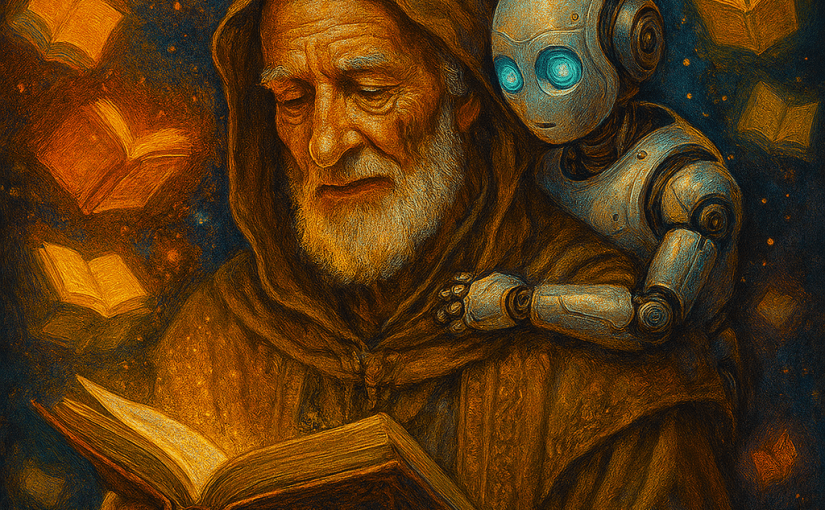
The publishing industry will be radically reshaped – shifting from mass-market production to personalized, AI-driven content experiences, with new models for monetization, rights management, and human-authored prestige.
Here’s how this transformation unfolds:
📚 The Rise of AI-Generated Content
- AI will dominate content creation, generating stories, poems, and even technical manuals tailored to individual tastes. Personal robots could craft bedtime tales, historical epics, or philosophical dialogues on demand.
- Traditional publishing loses its monopoly on storytelling. Instead of buying books, people may request a robot to “tell me a story like Tolkien but with dragons that surf.”
🧠 Intellectual Property and Rights Management
- Copyright law faces upheaval. If a robot can recite or remix any book ever published, publishers must develop new licensing models – perhaps charging for access to curated databases or premium storytelling algorithms.
- Human authorship becomes a premium brand. Verified human-created works may be marketed as “authentic,” with emotional depth or cultural significance that AI can’t replicate.
💡 Monetization and Publishing Models
- Dynamic revenue streams replace static book sales. Subscription models, micro-payments for story fragments, or royalties from AI-generated adaptations may emerge.
- Publishing becomes a service. Editors, curators, and literary stylists may offer “story tuning” for AI outputs, helping users refine narratives to their emotional or intellectual preferences.
🎭 Human Creativity and Prestige
- The human touch becomes a differentiator. Readers may seek out memoirs, philosophical reflections, or poetic works that reflect lived experience, mythic storytelling and ancestral reflections because they carry emotional resonance beyond algorithmic mimicry.
- Cultural gatekeeping shifts. Instead of publishers deciding what gets printed, communities may elevate stories that resonate, creating new forms of literary prestige through social validation and emotional impact.
⚖️ Ethical and Existential Questions
- Who owns a story generated by a robot trained on centuries of literature?
- Can AI-generated myths replace the wisdom passed down through generations?
- Will children raised on robot tales crave the texture of human memory and metaphor?
In a world of infinite stories, the ones that matter most may be those that carry the weight of lived truth.
 AIwritingLife.com